Wisdom Teeth Removal for Impacted Teeth Explained
Wisdom teeth have a talent for causing trouble quietly. Many people go years without noticing them, only to hear at a routine dental visit that one or more third molars are impacted, crowded, or pushing in the wrong direction. That moment often raises the same questions. What exactly does “impacted” mean? Why remove a tooth that is not hurting yet? How difficult is the procedure, and what does recovery really feel like?
These are reasonable questions, especially because Wisdom Teeth Removal is one of the most common oral surgery procedures, yet every case carries its own anatomy, timing, and level of complexity. A straightforward extraction in a healthy 17 year old is a very different experience from removing a partially erupted lower wisdom tooth in a 34 year old with recurrent gum infection. The advice should not sound the same, and the expectations should not either.
Understanding the mechanics helps. So does knowing where dentists and oral surgeons tend to be cautious, where they watch and wait, and where they recommend surgery sooner rather than later.
What “impacted” actually means
A wisdom tooth is impacted when it cannot fully erupt into a normal, usable position. Sometimes the blockage is obvious. The jaw simply does not have enough room. Sometimes the tooth is angled into the second molar, trapped under bone, or covered partly by gum tissue. Occasionally it comes in only enough to create a small pocket around the crown, which becomes a magnet for food debris and bacteria.
Not all impacted teeth behave the same way. A tooth can be completely buried in bone and stay quiet for years. Another can be only partly exposed and cause repeated inflammation every few months. That variation explains why some people are told to monitor their wisdom teeth while others are advised to schedule surgery.
Dentists usually describe impaction by position. A mesioangular impaction tilts toward the front of the mouth, often pressing into the second molar. A vertical impaction points more or less upright but still lacks room to emerge. A horizontal impaction lies almost sideways, and these can be especially awkward surgically. Distal impactions tilt toward the back. The lower wisdom teeth tend to create more practical problems than the uppers because the lower jaw is denser and the anatomy is tighter.
The label matters less than the consequences. What a clinician really wants to know is whether the tooth can erupt cleanly, whether it is damaging adjacent structures, and whether leaving it alone is likely to create more risk than removing it.
Why impacted wisdom teeth become a problem
People often assume wisdom teeth are removed only when they hurt. Pain is one reason, but it is far from the only one. Some of the most persuasive reasons to remove impacted wisdom teeth have little to do with current symptoms and a lot to do with predictable future trouble.
A partially erupted wisdom tooth is the classic example. It can be hard to clean because the gum forms a flap over part of the tooth. That flap traps bacteria. Patients describe the area as sore, swollen, or foul tasting, especially when chewing. The formal name is pericoronitis, but most people experience it simply as a recurring flare-up that never quite stays gone. Antibiotics may calm it temporarily. Mouth rinses may help. If the anatomy remains the same, the problem often returns.
There is also the issue of the tooth in front of it. When a lower wisdom tooth leans into the second molar, the contact point can be difficult or impossible to clean well. I have seen otherwise healthy second molars develop decay or gum pocketing in exactly that spot, not because the patient was careless, but because the angle made good hygiene unrealistic. Losing a sound second molar because of a neglected wisdom tooth is the sort of outcome clinicians try to prevent.
Cysts, bone loss, and root damage are less common, but they matter. A sac normally surrounds an unerupted tooth. In some cases that tissue enlarges and becomes cystic, which can hollow out bone or affect nearby teeth. This is not the everyday scenario, but it is one reason panoramic imaging is useful when an impacted tooth is being evaluated.
Not every impacted wisdom tooth needs immediate removal
This point gets lost in casual conversations. Some impacted wisdom teeth can be observed. If the tooth is fully covered by bone, not associated with infection, not threatening the neighboring tooth, and not showing concerning changes on imaging, periodic monitoring may be reasonable. That is particularly true in older adults when surgical risks are higher and the tooth has remained stable for years.
The key phrase is “careful monitoring,” not “ignore it forever.” Observation should include periodic exams and imaging at intervals your dentist considers appropriate. Teeth and bone can change slowly, and trouble often starts quietly.
Age influences the discussion more than many patients expect. Wisdom Teeth Removal is often technically easier in the late teens and early twenties because the roots may not be fully formed and the bone is generally less dense. Healing also tends to be more predictable. That does not mean older adults cannot do well, because many do, but the procedure may require more bone removal, the roots may sit closer to the nerve canal, and postoperative stiffness can last longer.
The evaluation before surgery
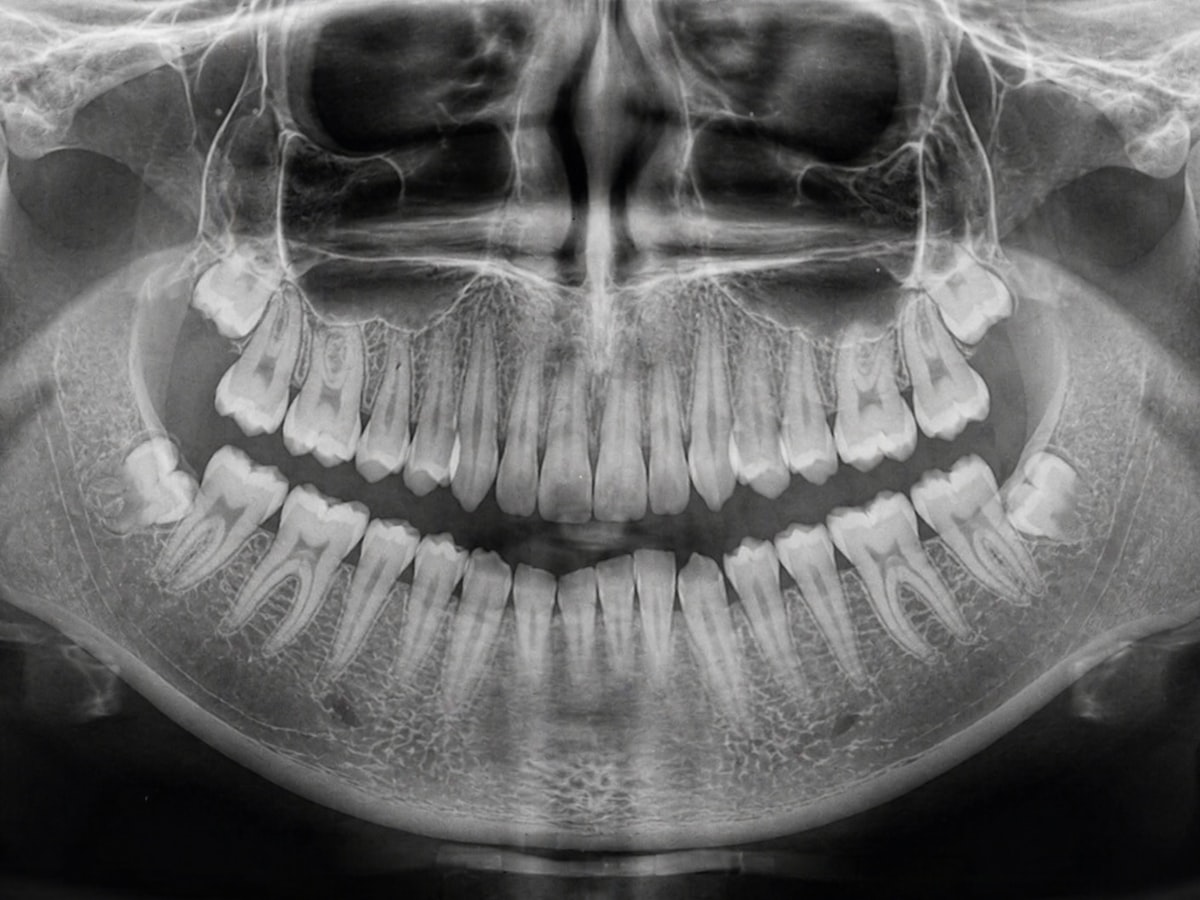
A proper workup is more than a quick glance in the mouth. Impacted wisdom teeth are diagnosed and planned with a mix of clinical examination and imaging. Most offices begin with a panoramic x-ray because it shows all four wisdom teeth, the jawbones, the roots of nearby teeth, and the approximate relationship between lower wisdom teeth and the inferior alveolar nerve, which provides feeling to the lower lip and chin.
When the relationship to the nerve looks close or uncertain, a cone beam CT scan may be recommended. This three-dimensional imaging helps the surgeon judge depth, angulation, bone coverage, and nerve position much more accurately. It is not needed for every patient, but when lower wisdom teeth have curved roots or seem to overlap the nerve canal on the panoramic image, that extra detail can meaningfully change the surgical plan.
The medical history matters too. Asthma, bleeding disorders, diabetes, immune suppression, pregnancy, smoking, vaping, osteoporosis medications, and prior radiation to the jaws can all affect how surgery is timed or managed. Even supplements matter. Fish oil, high-dose vitamin E, ginkgo, and other over the counter products can increase bleeding tendency in some patients. A good oral surgeon asks about all of it, not because they expect a problem, but because problems are easier to avoid than fix.
When dentists and surgeons usually recommend removal
There is no single rule that fits everyone, but some patterns appear again and again in practice. Removal is commonly advised when one or more of the following are present:
- repeated gum infection around a partially erupted wisdom tooth
- decay in the wisdom tooth or the second molar next to it
- bone loss or periodontal pocketing behind the second molar
- pressure, pain, or swelling linked to impaction
- cystic change or another radiographic concern around the tooth
Notice what is not on that list: vague fear that “all wisdom teeth are bad.” Good decision-making comes from actual findings, not habit alone.
How Wisdom Teeth Removal is done
For an impacted tooth, removal is usually a surgical extraction rather than a simple pull. The difference is important. A simple extraction is possible when a tooth is fully erupted and accessible. An impacted tooth may require a small incision in the gum, removal of a limited amount of bone, and sectioning the tooth into pieces so it can be removed without excessive force.
The lower third molars are often the more involved part of the procedure. The surgeon numbs the area thoroughly, reflects the gum tissue, creates access through bone if needed, and may divide the crown from the roots. Each portion is then carefully elevated out. The socket is cleaned, the area is irrigated, and stitches are placed if appropriate. Many dissolvable sutures fall out on their own within about a week.
Upper wisdom teeth can be surprisingly easy when their roots are favorable and the tooth is not deeply embedded. On the other hand, an upper tooth sitting high near the sinus may require delicate handling. Again, no two cases Wisdom Teeth Removal are identical.
Some patients choose local anesthesia only and do very well. Others prefer IV sedation because they are anxious Wisdom Teeth Removal or because all four teeth are coming out at once. Neither choice is morally superior. The right option depends on the expected difficulty, the patient’s comfort level, and the practice setting. What matters is that the patient understands the trade-off. Local anesthesia avoids fasting and sedation recovery, but you remain fully aware of the procedure. IV sedation makes the experience feel brief for most people, but it requires an escort, preoperative instructions, and a different layer of medical screening.
What the day of surgery usually feels like
The idea of oral surgery often sounds worse than the event itself. With good local anesthesia, patients should feel pressure and movement but not sharp pain. Under sedation, many remember little or nothing. The procedure time varies. A single erupted upper wisdom tooth may take only minutes. Four impacted teeth can take much longer, especially if the lower roots are complex.
Afterward, the mouth feels numb, bulky, and slightly awkward. Gauze pressure is used to control oozing. This early phase is where expectations matter. Oozing is normal. Heavy bleeding that fills the mouth rapidly is not. Swelling usually increases for the first two to three days before tapering. People who expect to look normal the next morning are often disappointed.
Speech can sound thick for a few hours, and opening the mouth widely may feel difficult, particularly when lower teeth were removed. That stiffness, called trismus, is common and generally temporary.
Recovery tends to follow a pattern, but not a perfectly smooth one
Most people improve in stages rather than in a straight line. The first evening is often manageable because anesthesia may still linger and prescription or over the counter pain medication is active. The second and third days are commonly the most swollen and sore. By days four through seven, many patients feel noticeably better, though the lower extraction sites may still ache or catch food.
A practical recovery pattern often looks like this:
- day 1 centers on bleeding control, numbness wearing off, and rest
- days 2 and 3 usually bring peak swelling and stiffness
- by days 4 to 7 pain often eases, but jaw tightness and food trapping remain common
- soft tissue closure progresses over a couple of weeks
- deeper bone remodeling takes much longer, often several months
Patients are sometimes alarmed by how long the sockets take to “fill in.” The gum can appear mostly healed while the underlying bone is still remodeling. That is normal. Surgery heals from the inside out.
Dry socket, nerve issues, and other complications people worry about
Dry socket has an outsized reputation because it is memorable and unpleasant. It happens when the protective blood clot in the socket is lost or breaks down too early, exposing underlying bone. The pain usually ramps up a few days after surgery rather than immediately. It can radiate to the ear and often feels much worse than ordinary postoperative soreness. Dry socket is more common in lower teeth, smokers, and patients who use straws, spit forcefully, or disturb the socket early on. It is treatable, though not enjoyable.
Temporary numbness is another major concern, especially with lower wisdom teeth that sit near the inferior alveolar or lingual nerves. Surgeons discuss this risk carefully when imaging suggests proximity. In many cases, any altered sensation is temporary and improves over weeks to months. Permanent nerve injury is uncommon, but the possibility is taken seriously because the effect on daily life can be meaningful. That is one reason detailed imaging and thoughtful surgical planning matter so much.
Infection after Wisdom Teeth Removal can happen, though it is not the norm in healthy patients. Persistent swelling, fever, worsening pain after initial improvement, foul drainage, or trouble swallowing deserve prompt review. More often than not, what patients call “infection” is actually normal swelling, bruising, or food debris in a healing lower socket. A postoperative check can sort this out quickly.
Sinus communication is a special issue with some upper wisdom teeth. If the roots are close to the maxillary sinus, removing the tooth can create a small opening between the mouth and sinus. Small openings often heal on their own with precautions. Larger ones may need closure. Patients with this issue are usually instructed to avoid nose blowing and heavy pressure for a period of time.
The small details that make recovery easier
Postoperative instructions may sound repetitive, but they exist for a reason. The patients who recover most smoothly are often not the toughest or youngest. They are the ones who actually follow the instructions for the first several days.
Ice helps early, especially during the first 24 hours. After that, gentle warmth can be more comfortable for stiffness. Hydration matters more than people expect. A dry mouth feels worse, and many patients underdrink because swallowing is awkward. Food choices matter too. Lukewarm soup, yogurt, eggs, oatmeal, smoothies eaten with a spoon, and soft pasta are usually tolerated well. Sharp chips, seeded foods, and anything that crumbles aggressively tend to create needless irritation.
Oral hygiene should resume carefully but not be abandoned. Patients sometimes avoid brushing for fear of harming the area, then end up with a sticky, inflamed mouth that feels much worse. Clean the rest of the mouth normally. Around the surgical area, follow the surgeon’s advice, which often includes gentle rinsing beginning after the first day.
One pattern I have seen repeatedly is the patient who feels almost normal on day three, returns to hard exercise, skips meals, and ends the evening with more throbbing and swelling than before. Healing tissue dislikes being tested too soon.
Timing, travel, work, and school
The logistics deserve planning. If all four impacted wisdom teeth are being removed under sedation, taking at least a couple of quiet days is sensible. Students often schedule surgery before a school break for a reason. Adults with public-facing jobs or demanding physical work should be realistic about swelling, speech, and energy. Working from home after a day or two is often possible. Standing all day, heavy lifting, or customer-facing work while swollen and sore is another story.
Travel immediately after surgery is rarely a good idea, particularly if flying is involved and upper teeth are near the sinus. Access to the operating office matters if questions arise.
For patients with only one mildly impacted tooth removed under local anesthesia, downtime can be shorter. That said, experience varies enough that underestimating recovery is more common than overestimating it.
Cost and why estimates vary so much
Fees for Wisdom Teeth Removal differ because the work differs. The number of teeth, the depth of impaction, the need for bone removal, the use of sedation, the region, and the practice type all affect cost. A fully erupted upper wisdom tooth removed under local anesthesia is one category. Four bony impacted third molars under IV sedation is another.
Insurance can help, but coverage rules are inconsistent. Some plans pay more readily when there is documented infection, decay, or pathology. Others cover impacted extractions according to a set schedule. Patients should ask for a written estimate that separates the surgical fee, sedation, imaging, and pathology if any tissue is being evaluated. That reduces unpleasant surprises.
When a second opinion is worth getting
Most wisdom tooth recommendations are straightforward, but a second opinion can be useful in a few situations. If you have no symptoms and the reason for surgery feels vague, ask for a clearer explanation. If the lower roots appear close to the nerve and no one has discussed advanced imaging or alternatives, ask more questions. If you are older and the teeth have been quiet for years, it is reasonable to talk through the balance between surgical risk and continued monitoring.
One alternative occasionally discussed for high-risk lower wisdom teeth is coronectomy, where the crown is removed and the roots are intentionally left in place to reduce nerve injury risk. It is not appropriate in every case, especially if infection involves the roots, but it illustrates an important point. Surgical planning is not always all or nothing. Thoughtful judgment matters.
Questions patients should ask before saying yes
A good consultation leaves you feeling informed rather than rushed. If you are unsure what to ask, focus on the practical issues that affect the actual experience and the actual risk.
Ask what the x-ray shows, not just what is recommended. Ask whether the tooth is likely to cause harm if left in place. Ask how close the lower roots are to the nerve. Ask what type of anesthesia is planned and why. Ask what recovery is likely to look like for your specific case, not for an average patient in a brochure.
That level of conversation usually tells you a lot about the quality of care.
The bottom line on impacted wisdom teeth
Impacted wisdom teeth sit at the intersection of anatomy, timing, and prevention. Some can be watched safely. Others are already causing damage before the patient feels much of anything. The best decisions come from matching the imaging and clinical findings to the person in front of you, including age, health, symptoms, and tolerance for risk.
Wisdom Teeth Removal is common, but it should never feel casual. When the indication is solid and the plan is well explained, surgery often prevents a cycle of infection, damage to the second molar, or a more difficult extraction later in life. When the situation is stable and low risk, monitoring may be the wiser path. The difference lies in details, and those details are exactly where good dental and surgical judgment earns its keep.
Oxnard Dentistry
1730 E Gonzales Rd, Oxnard, CA 93036, United States
+1 805-307-8731
FAQ About Wisdom Teeth Removal
How painful is it to remove a wisdom tooth?
Local anesthetic numbs the area during extraction. Pressure may still be noticeable; tell the dentist if you feel pain. Soreness and swelling afterward are common. Follow the pain-control instructions provided for your situation.
How long is recovery for wisdom teeth extractions?
Recovery varies with the tooth position and complexity of the extraction. Some people resume routine activities quickly, while others need several days of rest. Soreness, swelling and jaw stiffness can last up to two weeks. Follow your clinician's aftercare and activity advice.
What are the risks of wisdom tooth removal?
Possible complications include dry socket, infection, persistent bleeding and changes in sensation from nearby nerve injury. Your dentist or oral surgeon should explain your individual risks before treatment. Seek prompt dental advice for bleeding that will not stop, fever, or severe or worsening pain and swelling.